
25 Feb Nurturing the Nurturer: Making Space for Mothers to Be Heard
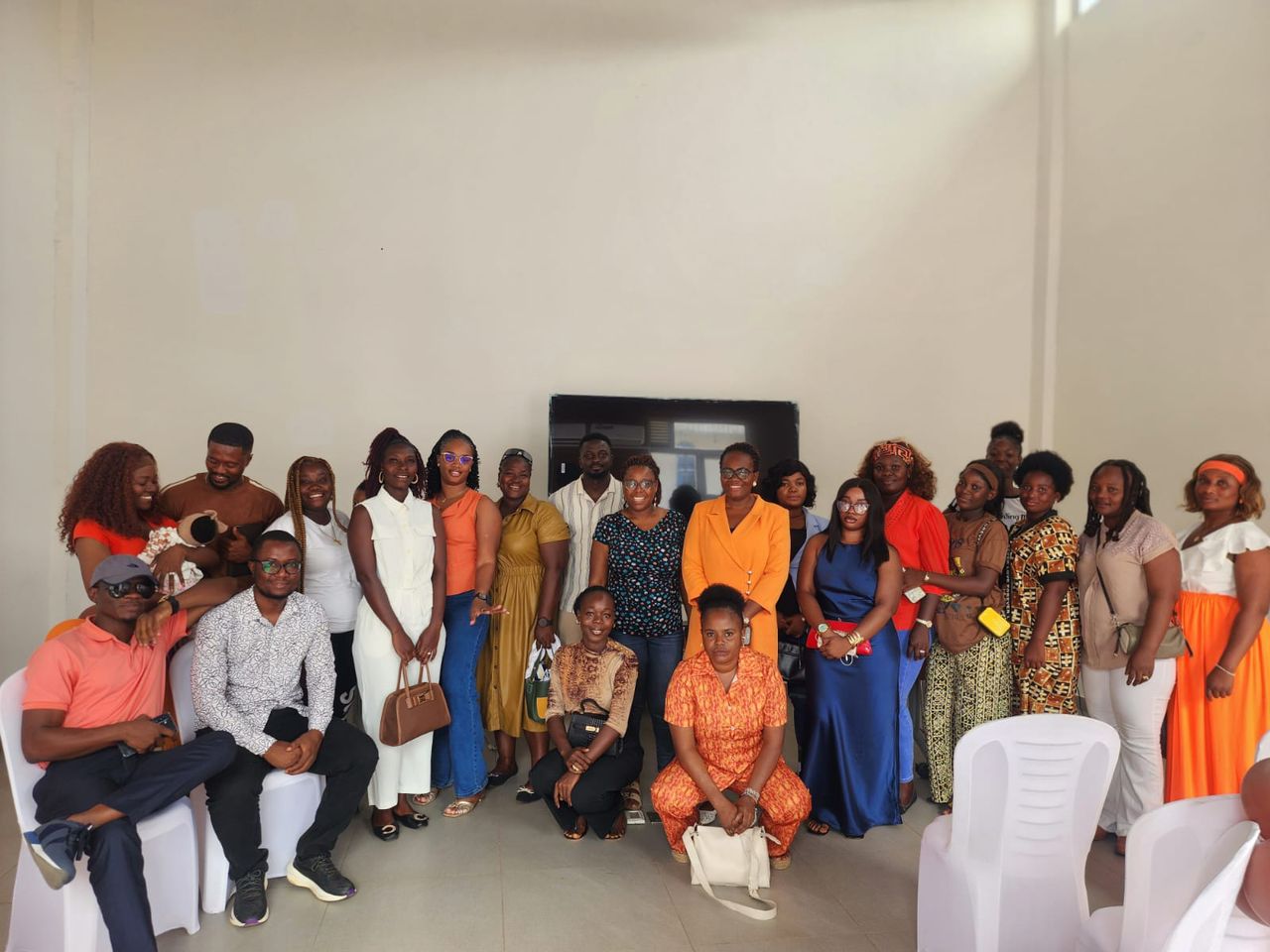
On 21 February 2026, the Liberia Learning Center in Paynesville became a space for something both simple and urgent: an honest conversation about maternal mental health.
Hosted by African Women Success Stories, the event “Nurturing the Nurturer: Strengthening the Roots of Motherhood” brought mothers together to reflect on their experiences, challenges and emotional wellbeing.
At We Are Like You, we believe mental health awareness begins in community spaces like this — where people feel safe enough to speak openly, without judgement.
The silent weight of being “strong”
Across many communities, motherhood is associated with resilience, sacrifice and endurance. Mothers are expected to cope quietly. To manage. To hold everything together.
But emotional strength without support becomes pressure.
During the session, mothers spoke about burnout, sleep deprivation, anxiety, feeling unappreciated and the guilt that comes with wanting personal time. For many, it was the first time they had described these feelings in a supportive setting.
What emerged clearly is something we see repeatedly in mental health work: maternal emotional distress often remains invisible.
And invisibility fuels stigma.
Understanding maternal mental health
A central part of the discussion focused on normalising common maternal mental health challenges.
Participants explored the difference between baby blues and postpartum depression, the psychological and biological factors affecting emotional wellbeing after childbirth, and the identity shifts many women experience as they navigate motherhood.
One message resonated deeply: struggling emotionally does not mean failing as a mother.
For some participants, this reframing reduced shame immediately. Several shared that they had previously interpreted anxiety or sadness as personal weakness or spiritual inadequacy. Understanding maternal mental health through a psychological lens helped replace self-blame with awareness.
Awareness is often the first step towards support.
Validation as a catalyst for change
The power of validation was evident throughout the session.
Simple statements such as “It is okay to feel overwhelmed” and “Seeking help is strength” created moments of visible relief. There were nods, tears and shared recognition.
One mother spoke openly about silently managing anxiety for months. Another highlighted how learning practical tools — emotional check-ins, boundary setting and building support systems — gave her a sense of agency.
These moments remind us that psychoeducation is not merely informative. It can be transformative.
Maternal mental health is not optional
Community-based mental health conversations are essential, particularly in contexts where stigma remains a significant barrier to seeking help.
When maternal mental health is prioritised:
- families function more effectively
- children benefit from greater emotional stability
- communities become stronger and more compassionate
Preventive mental health education must stand alongside clinical treatment. Supporting mothers psychologically is not an additional service — it is foundational to public health and social development.
Our commitment
At We Are Like You, we advocate for accessible, stigma-free mental health conversations across communities. Events like “Nurturing the Nurturer” reinforce why maternal mental health must remain central to discussions about family wellbeing and national development.
Mothers are not only caregivers. They are individuals with emotional needs, identities and limits.
When we nurture the nurturer, we strengthen the roots of everything.
And that is a conversation we will continue to support.
-
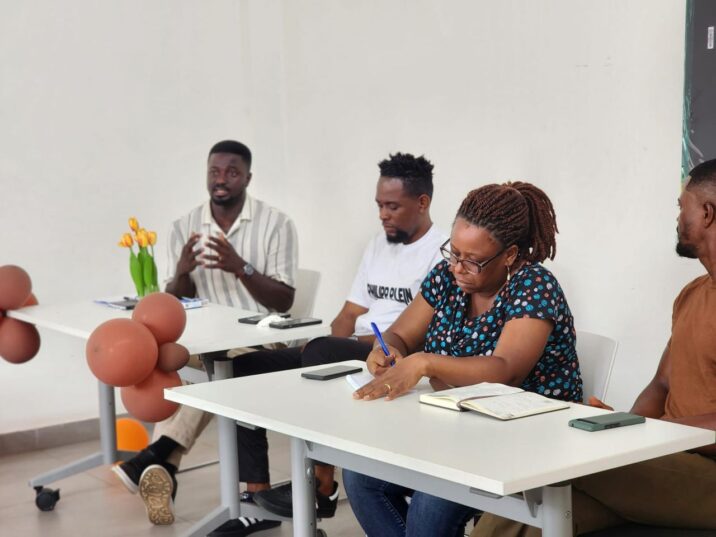
- Facilitators and participants discuss emotional wellbeing and motherhood challenges.
-

- Participants listening during a session on maternal emotional health and support networks.
Sorry, the comment form is closed at this time.