
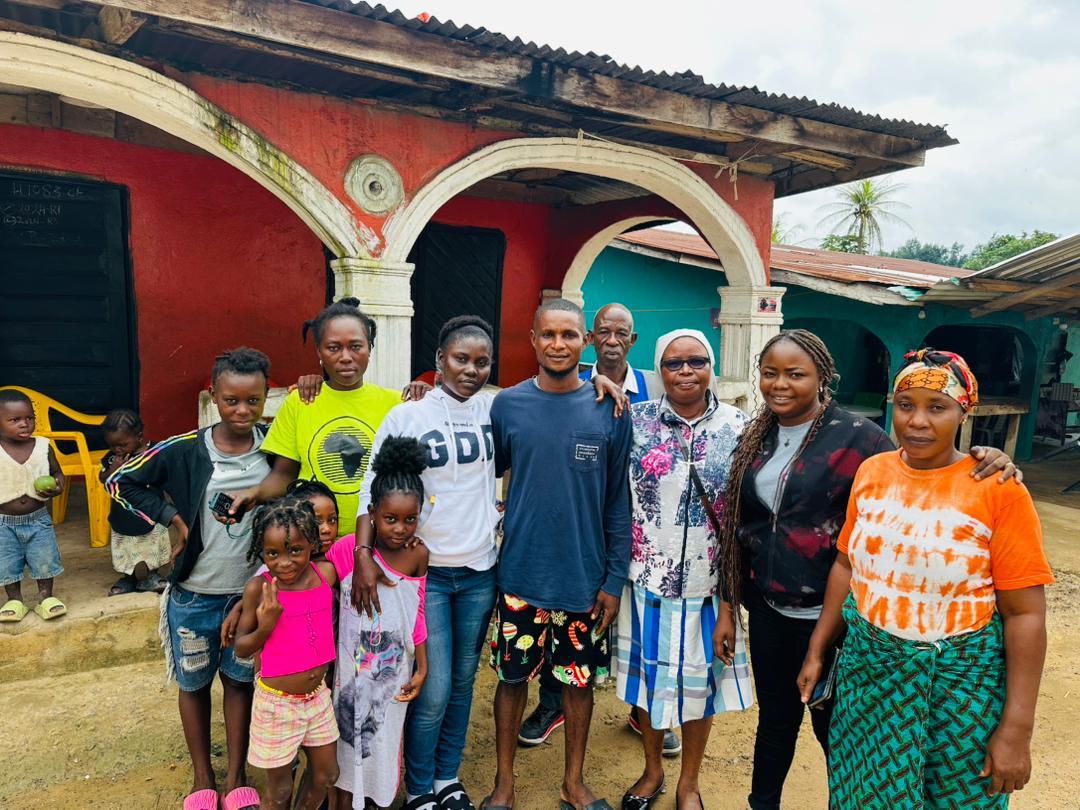
19 Aug Restoring Dignity, Bringing Hope & Reuniting Families
For years, she lived on the streets of Monrovia—sleeping in unsafe places, surviving on scraps, and struggling with physical, social and functional challenges due to long-term use of illicit drugs. Like many women experiencing homelessness, her story was hidden in plain sight. She was seen but not truly known.
She was once a daughter, a sister, and a cherished member of a family. Following years of substance dependence, she left home and gradually lost all contact with her loved ones. The streets became her reality, exposing her to daily risks, stigma, and profound loss of dignity.
A Compassionate Intervention
Her journey toward recovery began through street outreach and referral to care. Initially fearful and distrustful, she resisted assistance—understandably shaped by years of rejection and trauma. Through patience, consistency and compassion, she agreed to receive treatment with persistent encouragement from a Spanish humanitarian changing the lives of many homeless young people.
She was admitted into the St. Benedict Menni Mental Rehabilitation Centre, a structured mental health and substance use programme where safety, dignity and healing form the foundation of care.
Restoring Dignity
Recovery started by meeting basic human needs: food, shelter, hygiene, medical care, and respect. She was treated as a person, not a problem.
Through detoxification, counselling, and psychosocial support, her physical and mental health began to stabilise. Staff treated her with kindness, called her by her name, and involved her in her care plan. These simple yet powerful acts helped rebuild her sense of self-worth. Dignity was restored step by step.
Bringing Hope Through Recovery
As treatment progressed, hope emerged. She began participating actively in therapy sessions, group activities, and life-skills programmes. She spoke openly about her pain, her regrets, and her desire to reconnect with her family.
With each milestone in recovery, her confidence grew. She began to believe again—in healing, in the future, and in her ability to reclaim her life.
Reuniting a Family
One of the most significant phases of her recovery was family tracing and reintegration. With limited information and years of separation, reconnecting with her family required persistence and careful planning.
When contact was finally made, the reunion was deeply emotional. A loved one long thought lost had been found. Through counselling and preparation on both sides, reconciliation and acceptance followed.
She returned home not as a woman defined by her past, but as a person on a journey of recovery—supported, hopeful, and restored.
Why This Story Matters
This story reflects the mission of compassionate mental health care: to see the person behind the illness, restore dignity, ignite hope, and rebuild families.
Across Liberia, many individuals living with mental illness and substance use disorders remain on the streets—unseen, unsupported and misunderstood. With timely intervention, comprehensive care, and community support, recovery is possible.
At the heart of our work is a simple belief: no one is beyond help.
One life restored. One family reunited. One community strengthened.
Sorry, the comment form is closed at this time.